How Highway Driving on the 73 & 5 Stresses Your Vehicle’s A/C System
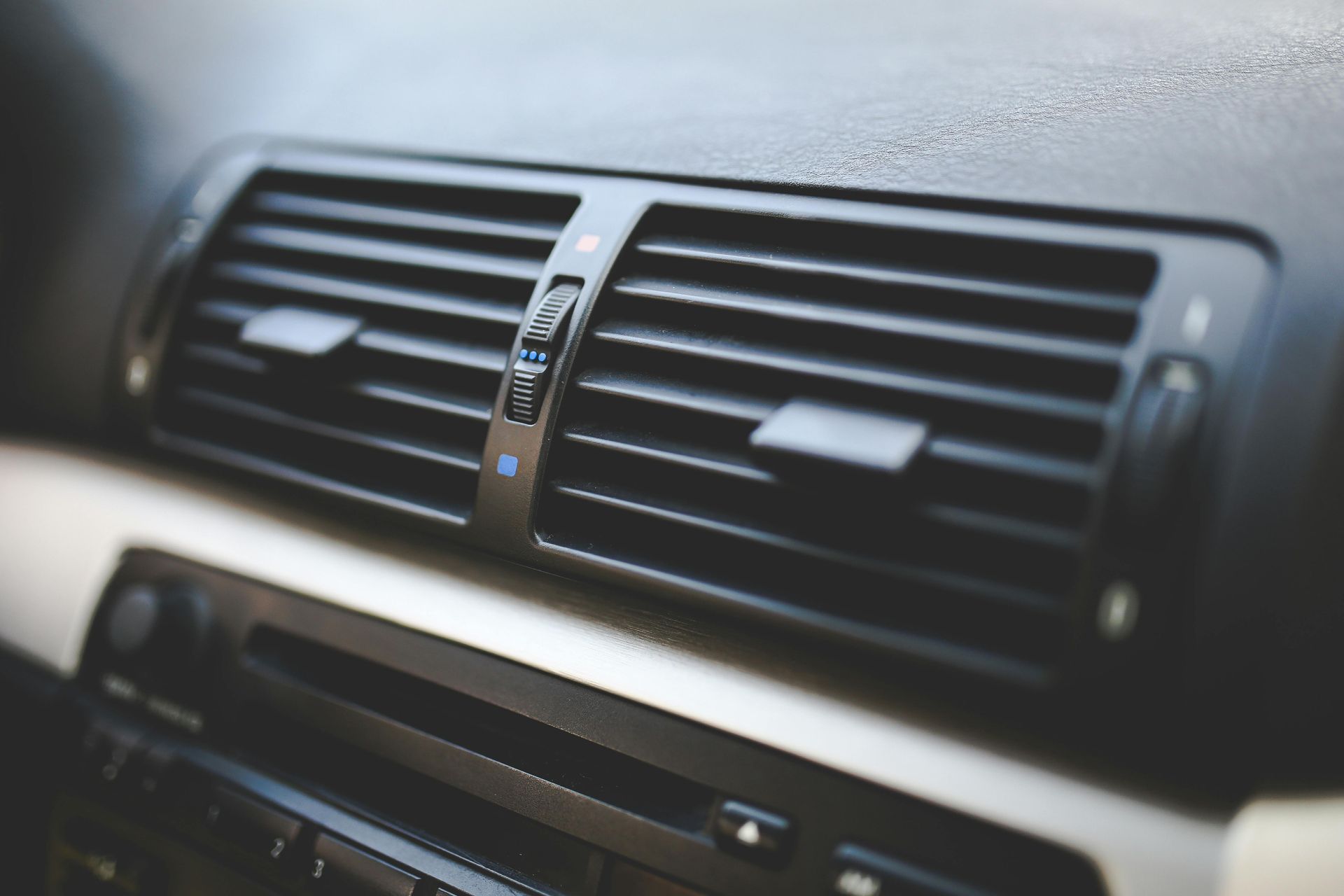
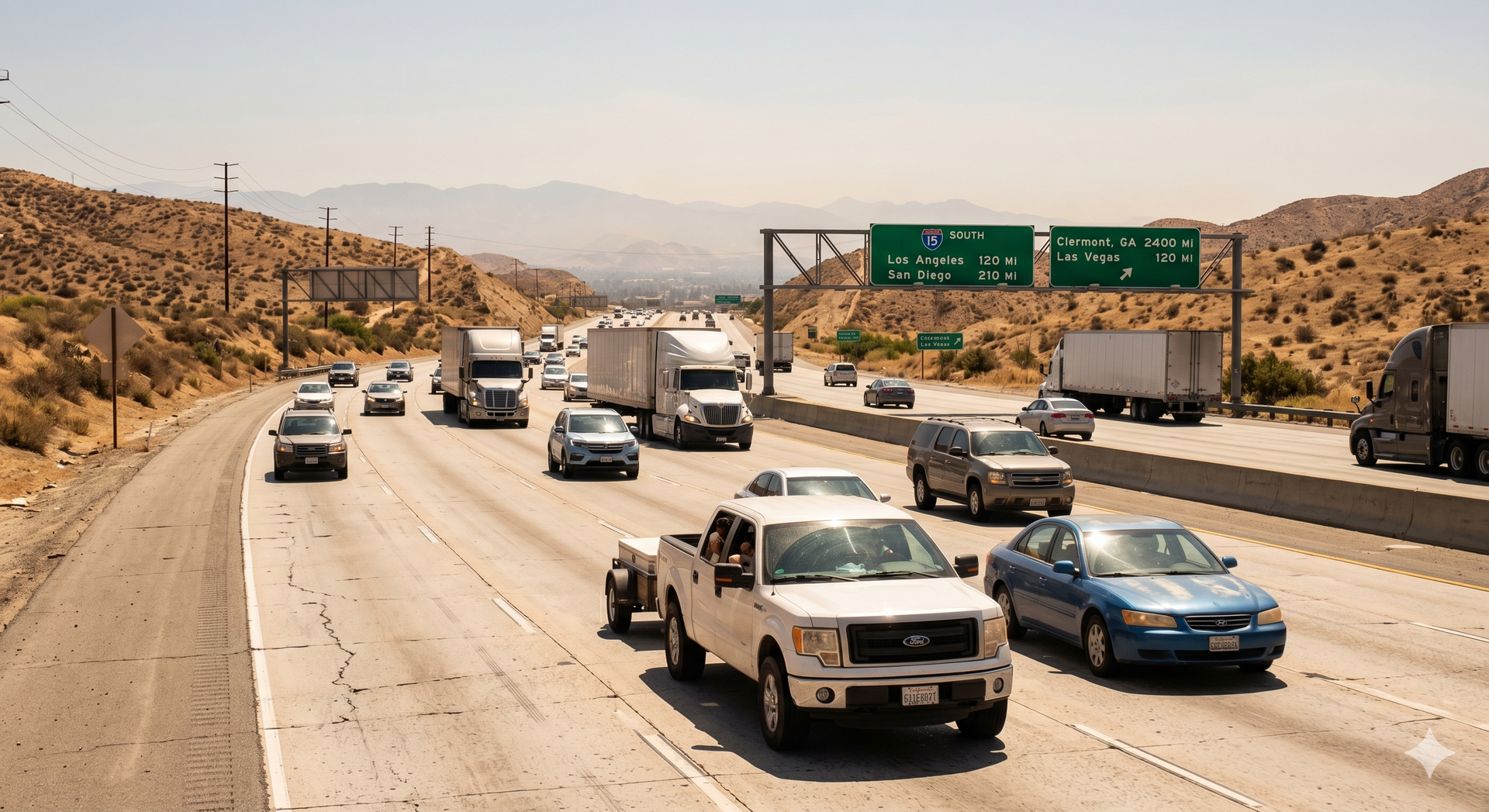
There is a common assumption among drivers that highway driving is gentler on a vehicle than stop and go city traffic. In many ways that is true. Your brakes get a break, your transmission stays in a higher gear, and your engine runs at a steady rhythm. But your A/C system tells a different story, and if you are a regular commuter on the 73 toll road or the 5 through South Orange County, this is worth understanding.
We see A/C related issues all the time that trace back directly to the specific demands of sustained highway driving. The pattern is consistent enough that I want to walk you through exactly what is happening under the hood when you are cruising at 70 miles per hour with the A/C running full blast.
What Makes Highway A/C Stress Different
The Compressor Runs Continuously at High Speed
In stop and go traffic, your engine speed fluctuates constantly. That fluctuation actually gives your A/C compressor brief moments of lower demand. On the highway, your engine holds a steady higher RPM for extended periods, which means the compressor is being driven continuously at an elevated rate for the entire duration of your drive.
Over time, that sustained load accelerates wear on the compressor clutch and internal compressor components. If your compressor is already showing early signs of wear, a long highway drive is often what pushes it from manageable to failed.
Reduced Airflow Through the Condenser
This one surprises most people. You would think that driving at highway speeds would push more air through the front of the vehicle and help the condenser release heat more efficiently. At moderate speeds that is true. But at sustained highway speeds with a fully loaded A/C system working hard against 90 degree Orange County heat, the condenser can actually struggle to dissipate heat fast enough, particularly if it has any debris accumulation or minor damage from road use.
When the condenser cannot release heat effectively, system pressure builds, the A/C loses cooling efficiency, and the compressor works even harder to compensate. It becomes a cycle that degrades the system faster than most drivers realize.
Long Drives Mean Long Exposure to Heat Soaked Components
The stretch from Aliso Viejo down to San Clemente or up through Irvine to Anaheim is not a short trip. When your A/C system operates at high demand for 45 minutes to an hour in peak summer heat, every component in the system is exposed to sustained thermal stress. Seals and O rings that are already aging become more vulnerable to failure under these conditions. Refrigerant that is slightly low becomes noticeably insufficient. A blower motor that has been running rough starts to show it.
The Hyper Local Factor for Orange County Drivers
Driving in South Orange County comes with specific conditions that compound all of the above. The combination of consistent sunshine, elevated summer temperatures, long freeway corridors with limited shade, and the kind of schedules that have you in the car multiple times a day creates a cumulative load on your A/C system that is genuinely different from what drivers in cooler or more urban environments experience.
Add in the fact that many Aliso Viejo residents are making regular trips to beach communities like Laguna Beach or Dana Point, where coastal traffic can slow things down and transition your system from highway mode back into stop and go demand, and you have an A/C system that is working through a wide range of conditions every single week.
What You Should Watch For After Long Highway Drives
If your A/C is noticeably less effective after a long highway stretch than it was at the start of the drive, that is a symptom worth taking seriously. Healthy A/C systems maintain consistent cooling performance. A system that starts strong and fades over time is telling you something about refrigerant levels, compressor health, or condenser efficiency.
Other signs to watch for include unusual noises when the compressor engages, a musty smell from the vents after extended use, and any warning lights related to engine temperature or climate control.
Come See Us Before the Summer Stretch Gets Long
We work on A/C systems every day at our shop in Aliso Viejo and we know exactly what local driving conditions do to these systems over time. If you have a long summer of highway driving ahead of you, let us make sure your A/C is ready for it.
Contact Us
Address: 27802 Aliso Creek Rd, Suite d140, Aliso Viejo, CA 92656
Phone: (949) 831-1525
Hours: Mon through Fri, 7:30 AM to 5:30 PM