Why Your AC Blows Cold Then Warm and What Is Actually Causing It
There is a particular kind of frustration that comes with an AC system that works just well enough to make you think it is fine, and then stops. You pull out of your driveway on a warm morning in Aliso Viejo, the air coming out of the vents is cold, and you think everything is good. Ten minutes later on the 73 heading toward Irvine, it is blowing warm air. You reach for the temperature dial, adjust it, and maybe get a brief moment of cold air before it goes warm again.
This is not a random malfunction. An AC system that cycles between cold and warm air in this pattern is telling you something specific, and the cause is usually one of a handful of well-understood issues. Let us walk through what is most likely happening and why getting it diagnosed sooner rather than later matters.
The Most Common Reasons Your AC Goes From Cold to Warm
The System Is Low on Refrigerant and Has a Leak
This is the most frequent cause we see and the one most drivers assume is the answer. When refrigerant levels drop below a certain threshold, the system can produce cold air initially but loses the ability to sustain it under load. As the system runs and pressure drops further, the compressor cycles off to protect itself, and warm air takes over.
The important detail here is that refrigerant does not simply get used up like fuel. If your system is low, there is a leak somewhere. A simple recharge without a leak inspection will have you back in the same situation within weeks or months. We always perform a leak check before adding refrigerant because topping off a leaking system is a short-term fix that delays a necessary repair.
The Compressor Clutch Is Failing
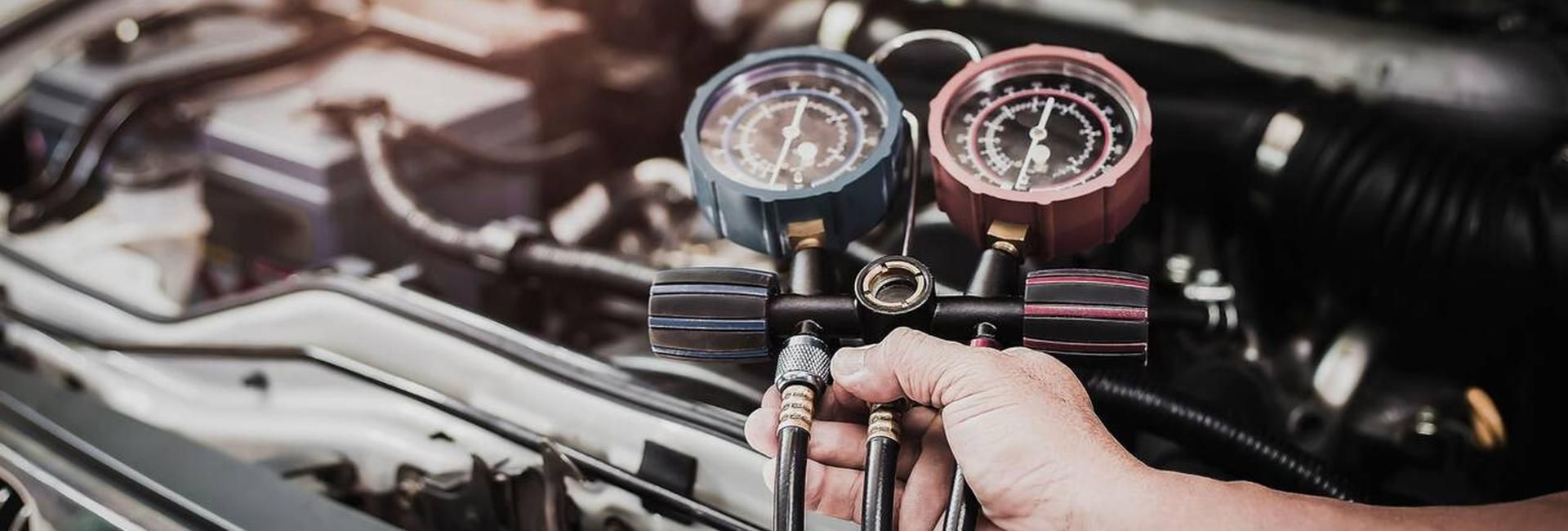
Low refrigerant is the single most common reason an AC system cools inconsistently. When the charge drops below the level your compressor needs, the system can still produce cold air at startup but loses pressure as the engine load increases and temperatures rise. The fix is not simply topping off the refrigerant. The EPA's Motor Vehicle Air Conditioning program explains that servicing a system without first finding and repairing a leak only masks the underlying problem. The refrigerant will escape again, and the compressor risks running in a low-charge condition that accelerates wear.
We see this pattern regularly in our shop. A vehicle comes in with cooling that works fine on the highway in the morning but fails by noon in stop-and-go traffic on the 5. Nine times out of ten, a pressure check shows refrigerant loss. We trace the leak before we recharge anything, because recharging a leaking system without fixing the source is a temporary fix at best.
The Expansion Valve Is Sticking or Clogged
The expansion valve controls the flow of refrigerant into the evaporator. When it sticks in the closed position or becomes partially blocked, refrigerant flow becomes inconsistent. The system produces cold air when flow is adequate and drops off when the valve restricts. This can create an intermittent cold and warm pattern that feels almost random but is actually tied to the valve's behavior under varying pressure and temperature conditions.
This is a less commonly discussed cause but one we see regularly, particularly in older vehicles and in cars that have had refrigerant added multiple times without a full system flush.
Ice Buildup on the Evaporator
This one surprises drivers when we explain it. If your AC blows cold air and then gradually transitions to warm or reduced airflow over fifteen to twenty minutes, the evaporator may be freezing over. This happens when refrigerant levels are slightly low, when the expansion valve is malfunctioning, or when airflow across the evaporator is restricted, often by a clogged cabin air filter.
As ice forms on the evaporator coil, it acts as an insulating barrier that prevents heat exchange. The system appears to stop cooling, and airflow drops noticeably. When you turn the AC off and let the vehicle sit, the ice melts and the system works again temporarily. If this pattern sounds familiar, the fix starts with finding what is causing the freeze-up rather than treating the symptom.
FAQs
Can low refrigerant cause my AC to blow cold at first and then warm later?
Yes. When refrigerant is low, the system can still cool at startup when the compressor is cold and load is light. As the engine bay heats up and the compressor works harder, the low charge becomes insufficient to maintain cooling. The system may also trigger a low-pressure cutoff switch that shuts the compressor down to prevent damage, which stops cooling entirely. A refrigerant check and leak inspection will confirm whether this is the cause.
Is it safe to keep driving when my car AC stops blowing cold?
The vehicle is safe to drive, but we recommend getting a diagnosis soon rather than waiting. A failing compressor clutch can seize and damage related components, and a refrigerant leak will continue to worsen over time. In some cases, a leaking refrigerant line can damage other nearby components. Getting the system diagnosed early prevents a minor issue from becoming a costly repair.
Why does my AC only work when the car first starts?
This pattern typically points to a compressor clutch that slips under heat and load, an expansion valve that sticks once the system reaches operating temperature, or refrigerant that is low enough to trigger a pressure cutoff after the system warms up. All three causes produce the same symptom, but each requires a different repair. A diagnostic scan and pressure test will identify which issue is present in your vehicle.
Why Driving in Orange County Makes This More Urgent
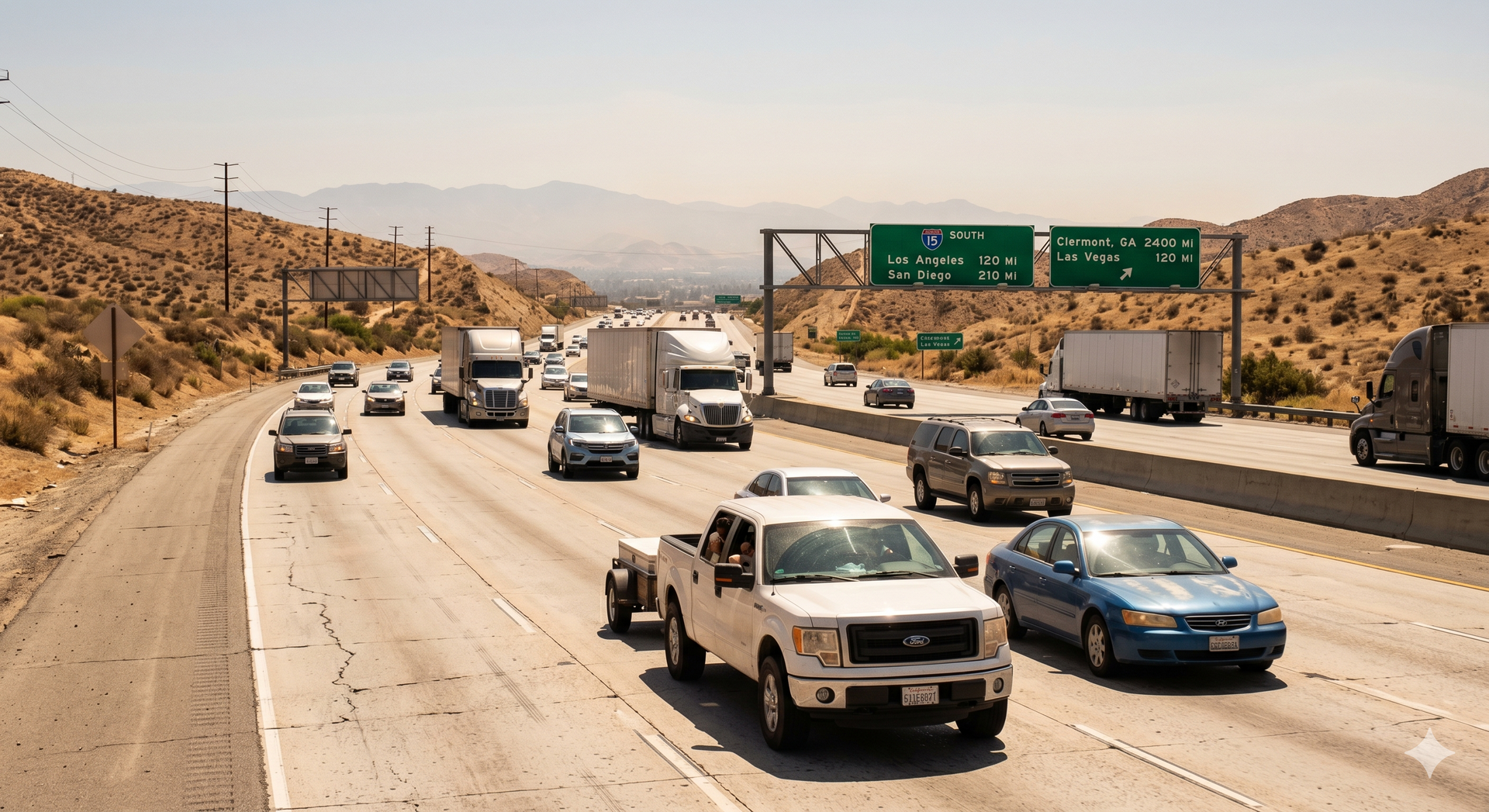
Southern California stop-and-go traffic, particularly on the 5 freeway or Crown Valley Parkway during peak hours, puts sustained demand on your AC system that highway driving does not. An intermittent issue that feels manageable on a short drive can become a fully failed system after sitting in slow traffic on a ninety-degree afternoon.
A
vehicle's AC system that blows cold then warm is not going to fix itself. The underlying cause will progress, and in most cases the longer it runs in a compromised state the more expensive the eventual repair becomes.
We can diagnose the specific cause and give you a clear picture of what the repair involves before any work begins.
Contact Us
Address:
27802 Aliso Creek Rd suite d-140, Aliso Viejo, CA 92656
Phone:
(949) 831-1525
Hours: Mon-Fri 7:30 AM to 5:30 PM