
Importance of Engine Maintenance
Bob Cornwall • May 13, 2025
Importance of Engine Maintenance
Your vehicle’s engine is its beating heart—powering every drive, every mile, and every moment behind the wheel. Without proper engine maintenance, even the most advanced vehicles can suffer from performance loss, reduced fuel efficiency, or catastrophic failure. Whether you drive a daily commuter or a high-performance car, keeping the engine in optimal condition is key to long-term reliability and smooth operation.
Why Engine Maintenance Is Critical
An engine consists of many moving parts working under intense heat and pressure. Over time, wear and tear, dirt, and degraded fluids can reduce efficiency and cause damage. Here’s why engine maintenance matters:
1. Preserves Performance
A well-maintained engine runs smoothly and efficiently, delivering optimal power and fuel economy. Routine maintenance ensures all components—pistons, valves, spark plugs, filters, and gaskets—operate in sync without unnecessary stress.
2. Prevents Costly Repairs
Ignoring minor issues like strange noises or oil leaks can lead to major engine failures. Regular checks and tune-ups help catch problems early before they escalate into expensive repairs or complete engine replacement.
3. Extends Engine Life
Engines that receive regular maintenance can easily surpass 200,000 miles or more. Timely oil changes, filter replacements, and coolant flushes all contribute to engine longevity and fewer mechanical breakdowns.
Key Components of Engine Maintenance
Engine maintenance is more than just changing the oil—it involves a series of inspections and services designed to keep your engine healthy. Below are some of the most essential tasks every vehicle owner should prioritize:
1. Oil and Oil Filter Changes
Engine oil lubricates moving parts, reduces friction, and helps regulate temperature. Over time, oil breaks down and loses its effectiveness. Regular oil and filter changes (every 5,000–7,500 miles for most vehicles) prevent sludge buildup and keep the engine clean and protected.
2. Air Filter Replacement
The air filter prevents dirt and debris from entering the engine. A clogged filter can reduce fuel efficiency and affect performance. Replacing it every 12,000–15,000 miles ensures the engine gets the clean air it needs for proper combustion.
3. Spark Plug Maintenance
Spark plugs ignite the air-fuel mixture in the engine’s cylinders. Worn or fouled plugs can lead to misfires, rough idling, and poor acceleration. Inspecting and replacing spark plugs at recommended intervals is key to maintaining engine performance.
4. Timing Belt or Chain Inspection
The timing belt or chain synchronizes the engine’s internal components. If it fails, it can cause major internal damage. Depending on your vehicle, it may need replacement every 60,000–100,000 miles. Regular inspections help avoid sudden failures.
5. Fuel System Cleaning
Fuel injectors can become clogged with deposits, affecting fuel delivery and combustion. Periodic cleaning helps restore power, improve mileage, and reduce emissions.
6. Coolant System Maintenance
Coolant prevents the engine from overheating by dissipating heat. Over time, coolant degrades or becomes contaminated. Flushing the system and replacing the coolant as recommended helps maintain a safe operating temperature.
Common Signs of Engine Trouble
Catching problems early can prevent major damage. Be on the lookout for these warning signs that your engine may need attention:
1. Check Engine Light
This is the most obvious sign that something’s wrong. While it could be a minor issue, it can also signal serious engine problems. A diagnostic scan will pinpoint the cause.
2. Knocking or Ticking Noises
Unusual engine noises could indicate worn bearings, lack of lubrication, or valve train problems. Any persistent knocking or ticking sounds should be checked immediately.
3. Excessive Exhaust Smoke
Blue smoke may indicate oil burning.
4. Loss of Power or Acceleration
If your car feels sluggish or struggles to accelerate, it could be due to spark plug issues, fuel system problems, or air intake restrictions.
5. Oil Leaks
Puddles under your vehicle or a drop in oil level could point to a leaky gasket or seal. Left unchecked, oil leaks can lead to engine overheating or failure due to insufficient lubrication.
The Role of Preventive Maintenance
Preventive engine maintenance is not just about avoiding breakdowns—it’s about ensuring a safe, reliable, and enjoyable driving experience. Here’s how regular care benefits your vehicle:
1. Boosts Fuel Efficiency
A well-tuned engine burns fuel more efficiently, helping you save money at the pump and reduce your environmental impact.
2. Enhances Driving Performance
Smooth acceleration, consistent power delivery, and responsive handling all depend on a healthy engine. Maintenance ensures your car performs as it should every time you drive.
3. Reduces Emissions
Engines in poor condition can release excessive pollutants. Proper maintenance keeps your emissions system in check and ensures compliance with environmental standards.
4. Improves Resale Value
A documented maintenance history makes your vehicle more attractive to buyers and increases its resale value. Buyers are more likely to invest in a car that’s been well cared for.
Recommended Engine Maintenance Schedule
While exact service intervals vary by make and model, here’s a general engine maintenance schedule to follow:
Maintenance Task Recommended Interval
Oil & Filter Change Every 5,000–7,500 miles
Air Filter Replacement Every 12,000–15,000 miles
Spark Plug Replacement Every 30,000–100,000 miles
Timing Belt Replacement Every 60,000–100,000 miles
Coolant Flush Every 30,000–50,000 miles
Fuel System Cleaning Every 30,000 miles (or as needed)
Note: Always refer to your vehicle’s owner manual for exact service intervals.
Final Thoughts
Engine maintenance is one of the most important aspects of car ownership. With a consistent care routine, you can ensure your engine remains reliable, efficient, and powerful for years to come. Don’t wait for warning lights or strange noises to signal trouble—stay ahead with regular inspections and timely service.
Remember, the best way to avoid engine failure is to prevent it in the first place. Whether you're a new driver or a seasoned enthusiast, taking care of your engine is an investment that always pays off.
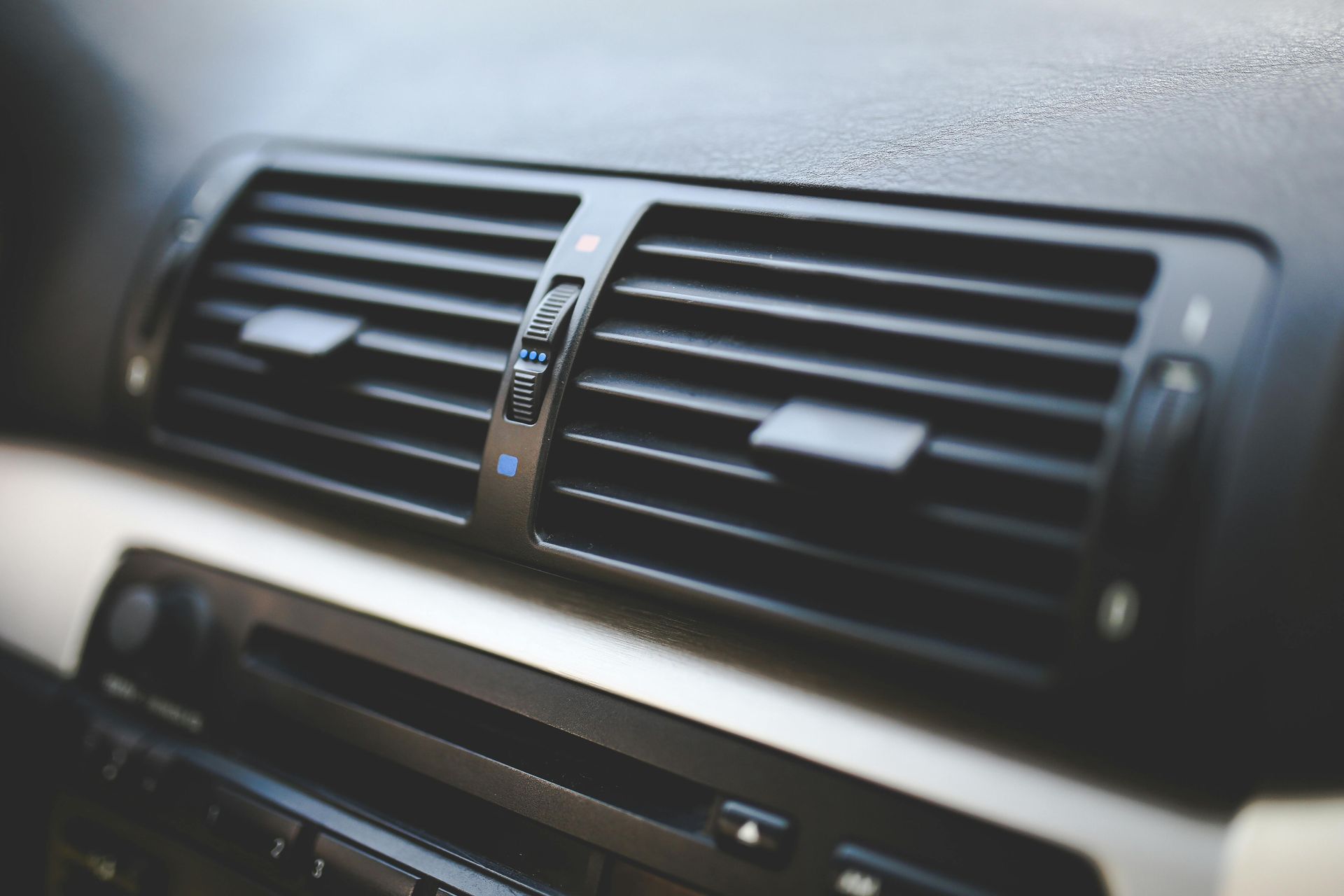
A car AC that blows cold then switches to warm air is a specific problem with specific causes. Here is what is likely happening and what to do next.
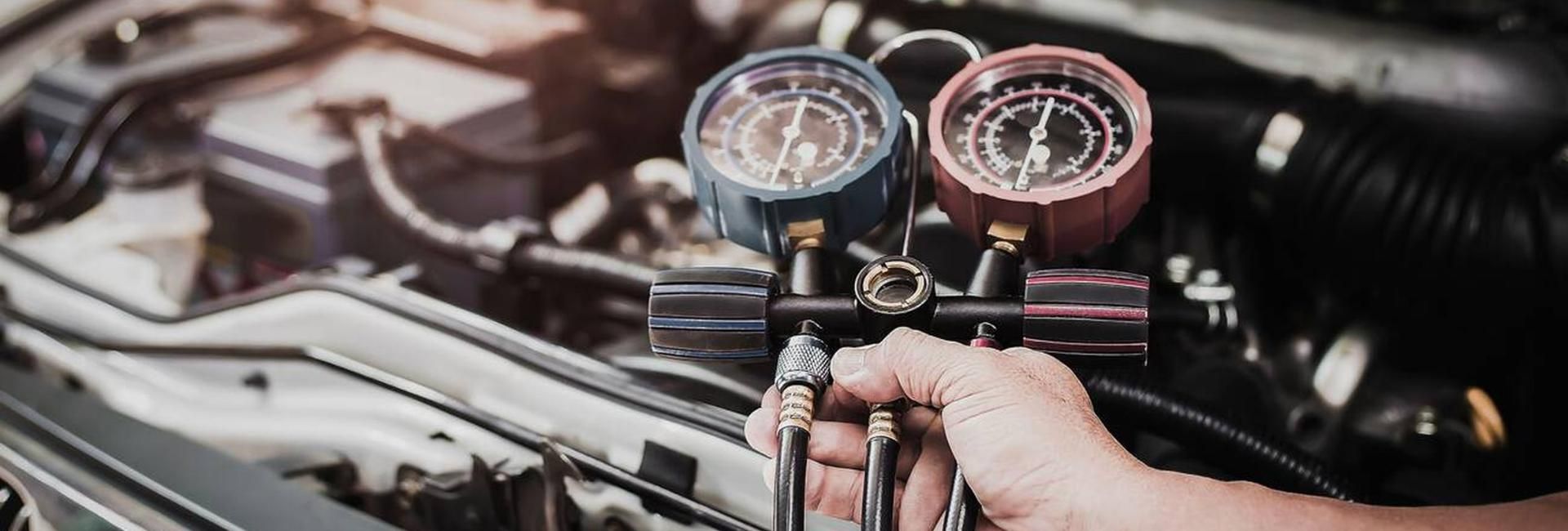
Most drivers never think about their car AC until it stops working. Here is how often you should service it and what happens when you wait too long.

Your cabin air filter might be more disgusting than you think. Here is why a clogged filter affects your AC performance and your health.

That musty odor from your car vents could be mold growing on the evaporator. Learn why it matters for your kids and how to fix it fast.

SUVs are the vehicle of choice in Aliso Viejo but that larger cabin puts real extra demand on your A/C system. Here is what owners should know.

Let me be straightforward with you about something before you ever get a quote from us or anyone else. If you drive a European luxury vehicle, your air conditioning repair is going to cost more than it would on a domestic sedan. That is not a shop taking advantage of you. That is the reality of what these vehicles are and how they are built. I want to explain exactly why that is, because understanding it will help you make better decisions about your vehicle and avoid the frustration of comparing quotes that were never apples to apples in the first place. European Luxury Vehicles Are Engineered Differently European luxury vehicles are built with tighter tolerances, higher-quality base materials, and more integrated electronics than most mass-market vehicles. That engineering precision translates to better performance and longevity when the vehicle is properly maintained, but it also means that every system in the vehicle (including the AC) is more complex to service. A Consumer Reports analysis cited by Kelley Blue Book found that an AC compressor replacement on a BMW 750Li costs $4,453, compared to an industry average of $1,211 for the same type of repair across all makes and models. That difference does not come from a simple markup. It reflects real differences in parts cost, labor time, and the diagnostic tools required to do the job correctly on that vehicle. More Complex Climate Control Systems Where a standard vehicle might have a relatively straightforward single zone A/C system, European luxury vehicles frequently feature multi-zone climate control with independent temperature regulation, advanced sensors that monitor cabin temperature and sunlight intensity, and electronically controlled components that communicate with the vehicle's broader computer network. Take a look at our vehicle AC summer prep list in Orange County to ensure you're ready. A Mercedes S Class, for example, does not just have an A/C system. It has a fully integrated thermal management system that interacts with the engine, the seat ventilation, the ambient air quality sensors, and the vehicle's main control modules. When something goes wrong, the diagnostic process alone is more involved than a complete A/C repair on a simpler vehicle. The Real Factors Behind Higher Repair Costs Parts Pricing and Sourcing Replacement components for European luxury vehicles cost significantly more than their domestic counterparts. An A/C compressor for a mid size American sedan might run a fraction of what the equivalent part costs for a BMW 5 Series or an Audi A6. This is driven by lower production volumes, proprietary designs, and supply chains that run through European manufacturers. Some components are only available through the manufacturer or a limited number of authorized distributors, which removes the competitive pricing that keeps costs down on more common vehicles. When we source parts for your European vehicle, we are sourcing from a much smaller pool of quality suppliers, and the pricing reflects that. Specialized Diagnostic Equipment Properly diagnosing an A/C issue on a modern BMW or Mercedes requires more than a standard HVAC gauge set. These vehicles need manufacturer level diagnostic software to read fault codes accurately, interpret sensor data, and identify whether an issue is mechanical, electrical, or a software related calibration problem. That equipment represents a significant investment for any shop, and shops that do not have it are guessing when they work on your vehicle. Labor Time and Technical Expertise Accessing A/C components on European luxury vehicles frequently requires removing interior panels, bumper assemblies, and other components that simply do not exist on simpler vehicles. A condenser replacement on an Audi Q7 is a fundamentally different job than the same repair on a Toyota Camry. The labor time is longer, the technical knowledge required is greater, and the cost reflects both of those realities. What This Means for You as an Owner Owning a BMW, Audi, or Mercedes in Aliso Viejo is a genuine pleasure. These are exceptional vehicles that reward you every time you drive them. Part of owning them well is understanding that maintenance and repairs require a different budget expectation than a standard vehicle. The worst outcome we see is when an owner of a European vehicle defers a repair because the quote surprised them, then ends up with a more serious problem that costs significantly more to address. A refrigerant leak that gets ignored through a Southern California summer can become a compressor failure by fall. Do Not Wait Until You Are Baking in Traffic on the 73 Mid-summer repairs are harder to schedule because demand is highest, and some parts take longer to source during peak season. A pre-summer inspection takes about 30 to 45 minutes and can confirm whether your system is ready for the months ahead. If something needs attention, addressing it in April is simpler and less urgent than addressing it in August. Schedule your AC inspection in Aliso Viejo before the heat settles in. If you drive on the 73 or the 5 for your commute, those long highway stretches put a specific kind of stress on your AC that is worth understanding. FAQs When is the best time to service my car's AC before summer in Orange County? March through April is the ideal window for a pre-summer AC inspection in Orange County. The AC season effectively begins in May and runs through October, so getting ahead of it by four to six weeks gives you time to address anything that needs repair without the pressure of doing it during a heat wave. Shop schedules are also less compressed in spring than in June and July. What does a pre-summer AC inspection include? A thorough pre-summer inspection covers refrigerant level and pressure testing, a leak check if refrigerant is low, compressor operation and clutch condition, drive belt inspection, cabin air filter condition, condenser cleanliness and airflow, evaporator condition, blower motor performance, and electrical component testing. The goal is a complete picture of the system's health before the sustained demand of summer begins. What happens if I skip a pre-summer AC inspection? Skipping the inspection does not guarantee a failure, but it does mean small problems go undetected until they become noticeable ones. A refrigerant level that is slightly low will drop further over the summer until the system loses enough pressure to trigger a low-pressure cutoff. A compressor clutch that shows early wear signs will continue to wear under the sustained load of a full Orange County summer. The cost of an inspection is typically much less than the cost of the repairs that inspection would have caught early. Contact Us Address: 27802 Aliso Creek Rd, Suite d140, Aliso Viejo, CA 92656 Phone: (949) 831-1525 Hours: Mon through Fri, 7:30 AM to 5:30 PM
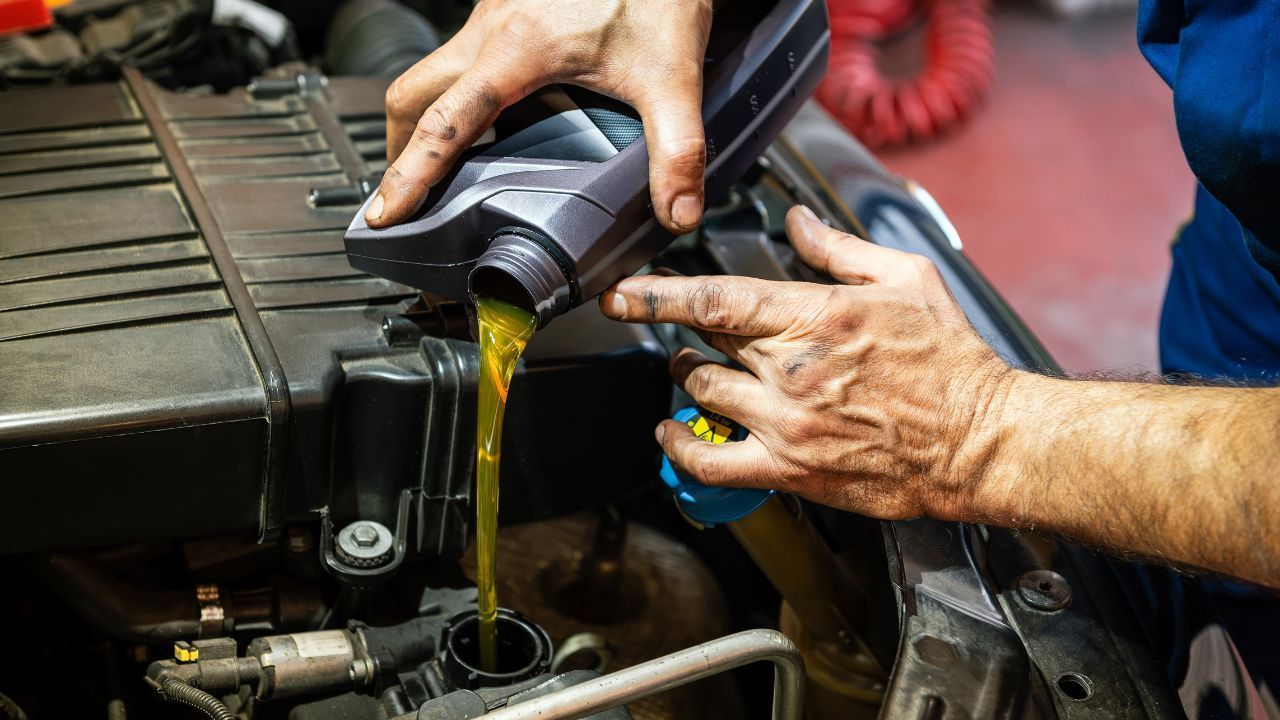
5 key tips for smarter oil changes — the right interval, the right oil, and the warning signs every driver should know.
Orange County summers are no joke. Here is how to make sure your car A/C is ready before the heat hits and the school runs begin.
Learn why brake service is essential for your safety and how Super Service of Aliso Viejo keeps your brakes in top condition.

Long highway stretches put a unique kind of stress on your vehicle A/C system. Here is what Aliso Viejo drivers should know before hitting the road.