THE TOP CAR PROBLEMS TO WATCH OUT FOR IN AUGUST

January 26, 2024

Every car owner knows that problems can occur anytime, causing frustration and inconvenience. While cars are designed to withstand various conditions, certain issues arise more frequently during specific times of the year. In August, there are specific car problems that you should be aware of to ensure a smooth and hassle-free driving experience. This article will discuss the top car problems to watch out for in August and provide practical tips to prevent these issues.


Common Car Problems in August


Overheating Engine

An overheating engine is one of the most common car problems during the hot summer months. High temperatures and long drives can strain your car's cooling system, leading to overheating. This can result from a malfunctioning radiator, a faulty thermostat, or low coolant levels. To prevent an overheating engine, check your coolant levels regularly, especially before embarking on long journeys. Paying attention to warning signs, such as steam from the hood or the temperature gauge reaching the red zone, is also essential.


Battery Issues

Extreme heat can negatively impact your car's battery life and performance. August temperatures can be particularly harsh on batteries, causing them to weaken or die unexpectedly. To avoid getting stranded with a dead battery, it's crucial to regularly inspect and test your car's battery. Look for signs of corrosion or loose connections and have a professional check its charge and overall health. If your battery is several years old or showing signs of weakness, replacing it before it fails may be wise.


Air Conditioning Problems

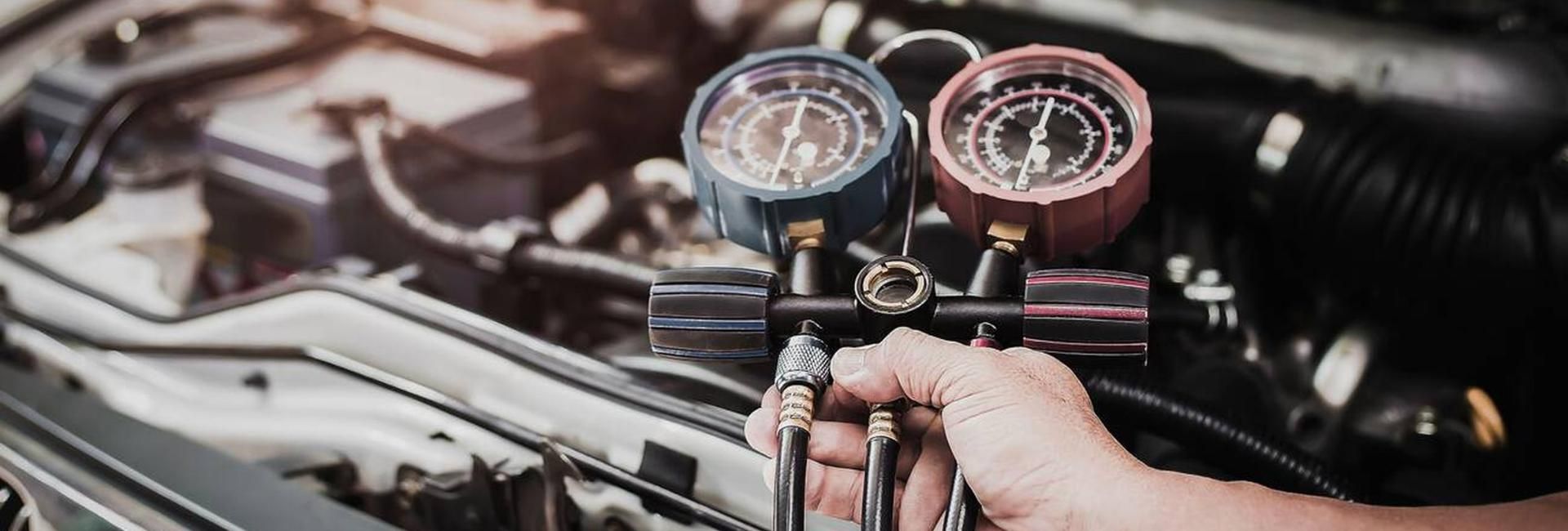
During scorching summer days, a malfunctioning air conditioning system can make driving your car uncomfortable. Issues like weak airflow, strange odors, or warm air from the vents indicate potential problems. If you notice any irregularities, it's advisable to have your air conditioning system inspected by a qualified technician. They can diagnose the issue, such as a refrigerant leak or a faulty compressor, and perform the necessary repairs or maintenance.


Tire Blowouts

Hot pavement and high temperatures in August can increase the risk of tire blowouts. Overinflated or underinflated tires, worn treads, or old tires nearing expiration are more prone to blowouts. To minimize the chances of a tire blowout, ensure your tires are properly inflated according to the manufacturer's recommendations. Regularly check the tire pressure, inspect the tread depth, and replace tires showing wear and tear.


Brake Malfunctions

Your car's braking system is essential for your safety on the road. However, the extreme heat in August can take a toll on the brake components, leading to potential malfunctions. Brake fluid can aboil and create air bubbles, reducing the efficiency of the brakes. Additionally, worn brake pads or rotors can cause squeaking, grinding, or a mushy brake pedal feel. It's crucial to have your brakes inspected and serviced regularly to ensure they are in optimal condition. If you notice any unusual noises or changes in braking performance, don't hesitate to visit a trusted mechanic.


Fuel System Problems

Hot weather can affect your car's fuel system, especially if moisture or impurities are present in the fuel. Fuel evaporation can lead to vapor lock, which disrupts the fuel flow and causes engine stalling or difficulty starting. To prevent fuel system problems, use high-quality fuel and consider adding a fuel system cleaner to remove any deposits or contaminants. If you encounter issues such as rough idling or difficulty accelerating, a professional should inspect your fuel system.


Tips to Prevent Car Problems

While it's impossible to eliminate the risk of car problems, there are proactive measures you can take to minimize the likelihood of encountering issues. Here are some essential tips to keep your vehicle running smoothly:


Regular Maintenance

Adhering to your car's recommended maintenance schedule is crucial to identify potential problems early on and prevent major breakdowns. Regular oil changes, filter replacements, and inspections of various components can significantly prolong the life of your vehicle and keep it in optimal condition.


Checking Fluid Levels

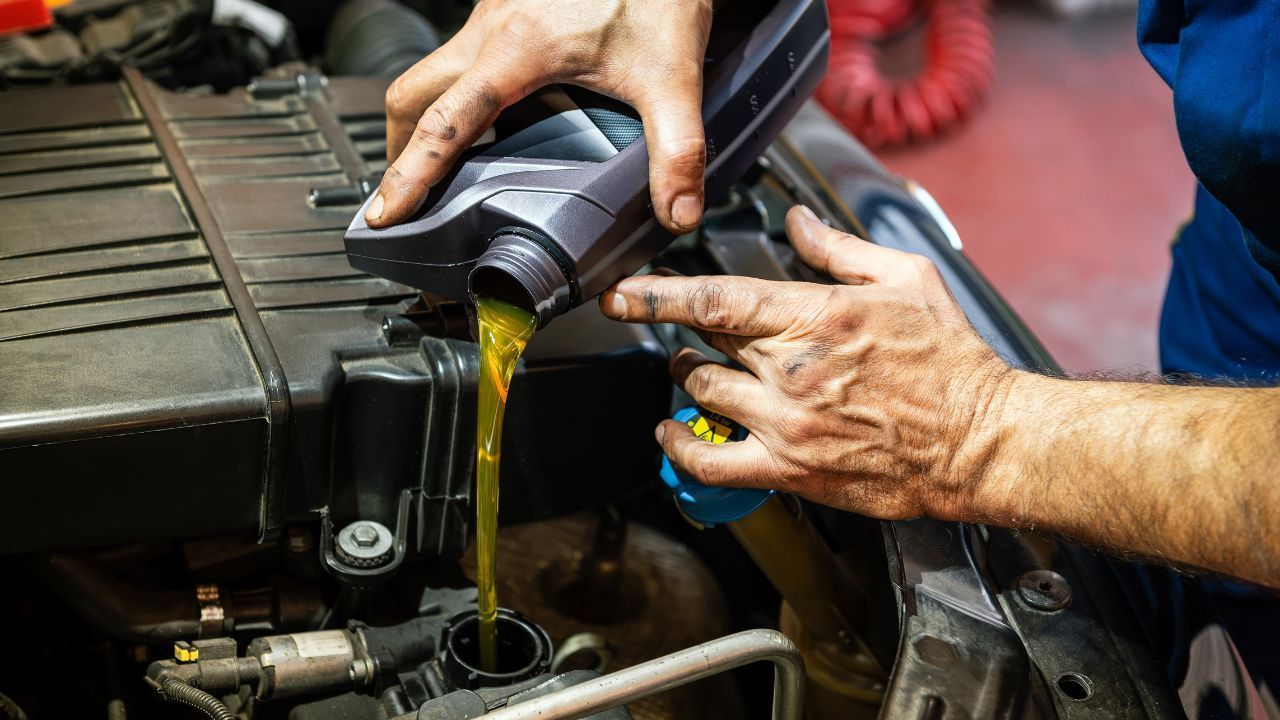
Fluids such as engine oil, coolant, transmission fluid, and brake fluid are essential for your car's proper functioning. Regularly checking and maintaining the correct fluid levels can prevent damage to crucial components and ensure your vehicle operates smoothly.


Conclusion

Being aware of the top car problems to watch out for in August and taking preventive measures can save you from unexpected breakdowns and costly repairs. By keeping a close eye on your car's cooling system, battery, air conditioning, tires, brakes, and fuel system, you can ensure a safer and more enjoyable driving experience. Remember to follow the maintenance tips outlined in this article and address any warning signs promptly. 

vehicle A/C vents
By Bob Cornwall • June 24, 2026
A car AC that blows cold then switches to warm air is a specific problem with specific causes. Here is what is likely happening and what to do next.
Vehicle A/C test
By Bob Cornwall • June 17, 2026
Most drivers never think about their car AC until it stops working. Here is how often you should service it and what happens when you wait too long.
orange vehicle
By Bob Cornwall • June 10, 2026
Your cabin air filter might be more disgusting than you think. Here is why a clogged filter affects your AC performance and your health.
person sitting in car looking out window
By Bob Cornwall • June 3, 2026
That musty odor from your car vents could be mold growing on the evaporator. Learn why it matters for your kids and how to fix it fast.
SUV | Super Service of Aliso Viejo
By Bob Cornwall • May 21, 2026
SUVs are the vehicle of choice in Aliso Viejo but that larger cabin puts real extra demand on your A/C system. Here is what owners should know.
By Bob Cornwall • May 7, 2026
Let me be straightforward with you about something before you ever get a quote from us or anyone else. If you drive a European luxury vehicle, your air conditioning repair is going to cost more than it would on a domestic sedan. That is not a shop taking advantage of you. That is the reality of what these vehicles are and how they are built. I want to explain exactly why that is, because understanding it will help you make better decisions about your vehicle and avoid the frustration of comparing quotes that were never apples to apples in the first place. European Luxury Vehicles Are Engineered Differently European luxury vehicles are built with tighter tolerances, higher-quality base materials, and more integrated electronics than most mass-market vehicles. That engineering precision translates to better performance and longevity when the vehicle is properly maintained, but it also means that every system in the vehicle (including the AC) is more complex to service. A Consumer Reports analysis cited by Kelley Blue Book found that an AC compressor replacement on a BMW 750Li costs $4,453, compared to an industry average of $1,211 for the same type of repair across all makes and models. That difference does not come from a simple markup. It reflects real differences in parts cost, labor time, and the diagnostic tools required to do the job correctly on that vehicle. More Complex Climate Control Systems Where a standard vehicle might have a relatively straightforward single zone A/C system, European luxury vehicles frequently feature multi-zone climate control with independent temperature regulation, advanced sensors that monitor cabin temperature and sunlight intensity, and electronically controlled components that communicate with the vehicle's broader computer network. Take a look at our vehicle AC summer prep list in Orange County to ensure you're ready. A Mercedes S Class, for example, does not just have an A/C system. It has a fully integrated thermal management system that interacts with the engine, the seat ventilation, the ambient air quality sensors, and the vehicle's main control modules. When something goes wrong, the diagnostic process alone is more involved than a complete A/C repair on a simpler vehicle. The Real Factors Behind Higher Repair Costs Parts Pricing and Sourcing Replacement components for European luxury vehicles cost significantly more than their domestic counterparts. An A/C compressor for a mid size American sedan might run a fraction of what the equivalent part costs for a BMW 5 Series or an Audi A6. This is driven by lower production volumes, proprietary designs, and supply chains that run through European manufacturers. Some components are only available through the manufacturer or a limited number of authorized distributors, which removes the competitive pricing that keeps costs down on more common vehicles. When we source parts for your European vehicle, we are sourcing from a much smaller pool of quality suppliers, and the pricing reflects that. Specialized Diagnostic Equipment Properly diagnosing an A/C issue on a modern BMW or Mercedes requires more than a standard HVAC gauge set. These vehicles need manufacturer level diagnostic software to read fault codes accurately, interpret sensor data, and identify whether an issue is mechanical, electrical, or a software related calibration problem. That equipment represents a significant investment for any shop, and shops that do not have it are guessing when they work on your vehicle. Labor Time and Technical Expertise Accessing A/C components on European luxury vehicles frequently requires removing interior panels, bumper assemblies, and other components that simply do not exist on simpler vehicles. A condenser replacement on an Audi Q7 is a fundamentally different job than the same repair on a Toyota Camry. The labor time is longer, the technical knowledge required is greater, and the cost reflects both of those realities. What This Means for You as an Owner Owning a BMW, Audi, or Mercedes in Aliso Viejo is a genuine pleasure. These are exceptional vehicles that reward you every time you drive them. Part of owning them well is understanding that maintenance and repairs require a different budget expectation than a standard vehicle. The worst outcome we see is when an owner of a European vehicle defers a repair because the quote surprised them, then ends up with a more serious problem that costs significantly more to address. A refrigerant leak that gets ignored through a Southern California summer can become a compressor failure by fall. Do Not Wait Until You Are Baking in Traffic on the 73 Mid-summer repairs are harder to schedule because demand is highest, and some parts take longer to source during peak season. A pre-summer inspection takes about 30 to 45 minutes and can confirm whether your system is ready for the months ahead. If something needs attention, addressing it in April is simpler and less urgent than addressing it in August. Schedule your AC inspection in Aliso Viejo before the heat settles in. If you drive on the 73 or the 5 for your commute, those long highway stretches put a specific kind of stress on your AC that is worth understanding. FAQs When is the best time to service my car's AC before summer in Orange County? March through April is the ideal window for a pre-summer AC inspection in Orange County. The AC season effectively begins in May and runs through October, so getting ahead of it by four to six weeks gives you time to address anything that needs repair without the pressure of doing it during a heat wave. Shop schedules are also less compressed in spring than in June and July. What does a pre-summer AC inspection include? A thorough pre-summer inspection covers refrigerant level and pressure testing, a leak check if refrigerant is low, compressor operation and clutch condition, drive belt inspection, cabin air filter condition, condenser cleanliness and airflow, evaporator condition, blower motor performance, and electrical component testing. The goal is a complete picture of the system's health before the sustained demand of summer begins. What happens if I skip a pre-summer AC inspection? Skipping the inspection does not guarantee a failure, but it does mean small problems go undetected until they become noticeable ones. A refrigerant level that is slightly low will drop further over the summer until the system loses enough pressure to trigger a low-pressure cutoff. A compressor clutch that shows early wear signs will continue to wear under the sustained load of a full Orange County summer. The cost of an inspection is typically much less than the cost of the repairs that inspection would have caught early. Contact Us Address: 27802 Aliso Creek Rd, Suite d140, Aliso Viejo, CA 92656 Phone: (949) 831-1525 Hours: Mon through Fri, 7:30 AM to 5:30 PM
By Bob Cornwall • April 30, 2026
5 key tips for smarter oil changes — the right interval, the right oil, and the warning signs every driver should know.
traffic on a California highway
By Andrew Bray • April 27, 2026
Orange County summers are no joke. Here is how to make sure your car A/C is ready before the heat hits and the school runs begin.
By Super Service of Aliso Viejo • April 20, 2026
Learn why brake service is essential for your safety and how Super Service of Aliso Viejo keeps your brakes in top condition.
traffic in rearview mirror | Super Service of Aliso Viejo
By Bob Cornwall • April 16, 2026
Long highway stretches put a unique kind of stress on your vehicle A/C system. Here is what Aliso Viejo drivers should know before hitting the road.