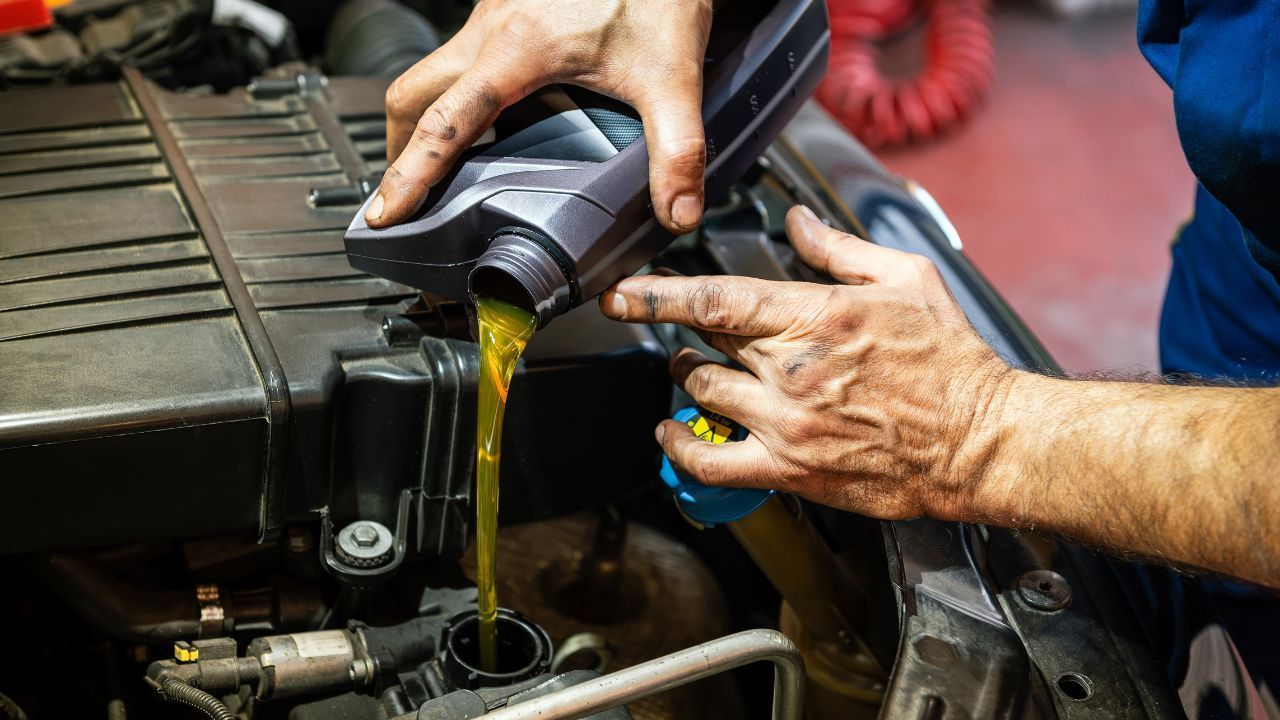
THE BENEFITS OF SYNTHETIC OIL FOR FALL CAR MAINTENANCE

January 25, 2024

The Benefits of Synthetic Oil for Fall Car Maintenance


Introduction

Fall is characterized by changing weather conditions, including colder temperatures and fluctuating humidity. It is crucial to prioritize proper maintenance to ensure optimal performance and longevity of your car's engine during this season. One essential aspect of fall car maintenance is selecting the right type of oil for your engine. In this article, we will explore the benefits of synthetic oil for fall car maintenance and guide you on how to choose and use it effectively.


What is Synthetic Oil?

Before diving into the benefits, let's first understand synthetic oil. Unlike conventional mineral-based oils, synthetic oil is chemically engineered to offer superior lubrication and protection to your car's engine. It is composed of artificially synthesized compounds that deliver enhanced performance compared to traditional oils.


Composition

Synthetic oil is created through a complex process that involves refining and purifying crude oil, then further modifying its molecular structure. This process removes impurities and allows for greater control over the oil's characteristics, such as viscosity, stability, and resistance to temperature extremes.


Advantages

The advantages of synthetic oil over conventional oil are numerous. Synthetic oil offers better lubrication properties, improved resistance to breakdown, and enhanced performance at both high and low temperatures. Additionally, it reduces engine wear, increases fuel efficiency, and provides extended oil change intervals. Let's explore why synthetic oil is ideal for fall car maintenance.


Why Synthetic Oil is Ideal for Fall Car Maintenance


Cold Weather Performance

Conventional oil can thicken as temperatures drop during fall, making it less effective in lubricating the engine and causing unnecessary strain on its components. Synthetic oil, on the other hand, maintains its viscosity even in colder temperatures, ensuring smooth engine operation from the moment you start your car.


Enhanced Engine Protection

Fall weather can bring harsh driving conditions, such as wet roads and temperature fluctuations. Synthetic oil provides better engine protection by forming a durable film on engine parts, reducing friction, and minimizing wear and tear. This protection is particularly important during falls when engines are exposed to increased moisture and potential corrosion.


Improved Fuel Efficiency

When the temperature drops, engines take longer to reach their optimal operating temperature, increasing fuel consumption. Synthetic oil's superior flow properties allow it to circulate faster and reach critical engine components faster, reducing warm-up time and improving fuel efficiency. By using synthetic oil, you can potentially save on fuel costs during the fall season.


Extended Oil Change Intervals

Conventional oil typically requires more frequent changes, especially in demanding driving conditions. Synthetic oil, on the other hand, has a longer lifespan and can withstand higher temperatures without breaking down. This means you can extend your oil change intervals, saving time and money on maintenance.


How to Choose the Right Synthetic Oil for Your Car

Now that you understand the benefits of synthetic oil for fall car maintenance, choosing the right type for your vehicle is essential. Consider the following factors when selecting synthetic oil:


Consider Your Car's Specifications

Check your vehicle's manual or consult the manufacturer's recommendations to determine the viscosity grade and specifications suitable for your car's engine. Synthetic oils come in various viscosity grades, such as 0W-20 or 5W-30, and it's important to select the one that meets your vehicle's requirements.


Consult Your Vehicle's Manual

Always refer to your vehicle's manual for specific recommendations on synthetic oil. The manual will provide valuable information regarding the preferred oil type, viscosity grade, and any other considerations specific to your vehicle.


Common Myths about Synthetic Oil

There are several myths surrounding synthetic oil. Let's debunk some of the most common ones:


Myth 1: Synthetic Oil Causes Leaks

This is a prevalent myth, but it's simply not true. Synthetic oil is designed to be compatible with engine seals and gaskets. If you experience a leak after switching to synthetic oil, it's likely due to an existing issue with the seals or gaskets previously masked by conventional oil.


Myth 2: Synthetic Oil is Too Expensive

While synthetic oil may have a higher upfront cost than conventional oil, it offers long-term savings. Extended oil change intervals and improved fuel efficiency can offset the initial expense. Additionally, the added engine protection can prevent costly repairs down the line.


Myth 3: Synthetic Oil is Not Compatible with Older Cars

Synthetic oil is suitable for both newer and older vehicles. Older cars can benefit from the improved engine protection and performance provided by synthetic oil. However, if your older vehicle has been exclusively using conventional oil for a long time, it's recommended to consult a mechanic before switching to synthetic oil.


Conclusion

Choosing synthetic oil for fall car maintenance can provide numerous benefits, including improved cold-weather performance, enhanced engine protection, increased fuel efficiency, and extended oil change intervals. By following the recommended steps for selecting and using synthetic oil, you can ensure optimal engine performance and prolong the lifespan of your vehicle.


Visit Super Service of Aliso Viejo, and we’ll answer all your questions about synthetic oil and preparing your vehicle for Fall! Please schedule an appointment at Super Service. And remember to add us on Facebook for news and updates! We look forward to seeing you soon.


vehicle A/C vents
By Bob Cornwall • June 24, 2026
A car AC that blows cold then switches to warm air is a specific problem with specific causes. Here is what is likely happening and what to do next.
Vehicle A/C test
By Bob Cornwall • June 17, 2026
Most drivers never think about their car AC until it stops working. Here is how often you should service it and what happens when you wait too long.
orange vehicle
By Bob Cornwall • June 10, 2026
Your cabin air filter might be more disgusting than you think. Here is why a clogged filter affects your AC performance and your health.
person sitting in car looking out window
By Bob Cornwall • June 3, 2026
That musty odor from your car vents could be mold growing on the evaporator. Learn why it matters for your kids and how to fix it fast.
SUV | Super Service of Aliso Viejo
By Bob Cornwall • May 21, 2026
SUVs are the vehicle of choice in Aliso Viejo but that larger cabin puts real extra demand on your A/C system. Here is what owners should know.
By Bob Cornwall • May 7, 2026
Let me be straightforward with you about something before you ever get a quote from us or anyone else. If you drive a European luxury vehicle, your air conditioning repair is going to cost more than it would on a domestic sedan. That is not a shop taking advantage of you. That is the reality of what these vehicles are and how they are built. I want to explain exactly why that is, because understanding it will help you make better decisions about your vehicle and avoid the frustration of comparing quotes that were never apples to apples in the first place. European Luxury Vehicles Are Engineered Differently European luxury vehicles are built with tighter tolerances, higher-quality base materials, and more integrated electronics than most mass-market vehicles. That engineering precision translates to better performance and longevity when the vehicle is properly maintained, but it also means that every system in the vehicle (including the AC) is more complex to service. A Consumer Reports analysis cited by Kelley Blue Book found that an AC compressor replacement on a BMW 750Li costs $4,453, compared to an industry average of $1,211 for the same type of repair across all makes and models. That difference does not come from a simple markup. It reflects real differences in parts cost, labor time, and the diagnostic tools required to do the job correctly on that vehicle. More Complex Climate Control Systems Where a standard vehicle might have a relatively straightforward single zone A/C system, European luxury vehicles frequently feature multi-zone climate control with independent temperature regulation, advanced sensors that monitor cabin temperature and sunlight intensity, and electronically controlled components that communicate with the vehicle's broader computer network. Take a look at our vehicle AC summer prep list in Orange County to ensure you're ready. A Mercedes S Class, for example, does not just have an A/C system. It has a fully integrated thermal management system that interacts with the engine, the seat ventilation, the ambient air quality sensors, and the vehicle's main control modules. When something goes wrong, the diagnostic process alone is more involved than a complete A/C repair on a simpler vehicle. The Real Factors Behind Higher Repair Costs Parts Pricing and Sourcing Replacement components for European luxury vehicles cost significantly more than their domestic counterparts. An A/C compressor for a mid size American sedan might run a fraction of what the equivalent part costs for a BMW 5 Series or an Audi A6. This is driven by lower production volumes, proprietary designs, and supply chains that run through European manufacturers. Some components are only available through the manufacturer or a limited number of authorized distributors, which removes the competitive pricing that keeps costs down on more common vehicles. When we source parts for your European vehicle, we are sourcing from a much smaller pool of quality suppliers, and the pricing reflects that. Specialized Diagnostic Equipment Properly diagnosing an A/C issue on a modern BMW or Mercedes requires more than a standard HVAC gauge set. These vehicles need manufacturer level diagnostic software to read fault codes accurately, interpret sensor data, and identify whether an issue is mechanical, electrical, or a software related calibration problem. That equipment represents a significant investment for any shop, and shops that do not have it are guessing when they work on your vehicle. Labor Time and Technical Expertise Accessing A/C components on European luxury vehicles frequently requires removing interior panels, bumper assemblies, and other components that simply do not exist on simpler vehicles. A condenser replacement on an Audi Q7 is a fundamentally different job than the same repair on a Toyota Camry. The labor time is longer, the technical knowledge required is greater, and the cost reflects both of those realities. What This Means for You as an Owner Owning a BMW, Audi, or Mercedes in Aliso Viejo is a genuine pleasure. These are exceptional vehicles that reward you every time you drive them. Part of owning them well is understanding that maintenance and repairs require a different budget expectation than a standard vehicle. The worst outcome we see is when an owner of a European vehicle defers a repair because the quote surprised them, then ends up with a more serious problem that costs significantly more to address. A refrigerant leak that gets ignored through a Southern California summer can become a compressor failure by fall. Do Not Wait Until You Are Baking in Traffic on the 73 Mid-summer repairs are harder to schedule because demand is highest, and some parts take longer to source during peak season. A pre-summer inspection takes about 30 to 45 minutes and can confirm whether your system is ready for the months ahead. If something needs attention, addressing it in April is simpler and less urgent than addressing it in August. Schedule your AC inspection in Aliso Viejo before the heat settles in. If you drive on the 73 or the 5 for your commute, those long highway stretches put a specific kind of stress on your AC that is worth understanding. FAQs When is the best time to service my car's AC before summer in Orange County? March through April is the ideal window for a pre-summer AC inspection in Orange County. The AC season effectively begins in May and runs through October, so getting ahead of it by four to six weeks gives you time to address anything that needs repair without the pressure of doing it during a heat wave. Shop schedules are also less compressed in spring than in June and July. What does a pre-summer AC inspection include? A thorough pre-summer inspection covers refrigerant level and pressure testing, a leak check if refrigerant is low, compressor operation and clutch condition, drive belt inspection, cabin air filter condition, condenser cleanliness and airflow, evaporator condition, blower motor performance, and electrical component testing. The goal is a complete picture of the system's health before the sustained demand of summer begins. What happens if I skip a pre-summer AC inspection? Skipping the inspection does not guarantee a failure, but it does mean small problems go undetected until they become noticeable ones. A refrigerant level that is slightly low will drop further over the summer until the system loses enough pressure to trigger a low-pressure cutoff. A compressor clutch that shows early wear signs will continue to wear under the sustained load of a full Orange County summer. The cost of an inspection is typically much less than the cost of the repairs that inspection would have caught early. Contact Us Address: 27802 Aliso Creek Rd, Suite d140, Aliso Viejo, CA 92656 Phone: (949) 831-1525 Hours: Mon through Fri, 7:30 AM to 5:30 PM
By Bob Cornwall • April 30, 2026
5 key tips for smarter oil changes — the right interval, the right oil, and the warning signs every driver should know.
traffic on a California highway
By Andrew Bray • April 27, 2026
Orange County summers are no joke. Here is how to make sure your car A/C is ready before the heat hits and the school runs begin.
By Super Service of Aliso Viejo • April 20, 2026
Learn why brake service is essential for your safety and how Super Service of Aliso Viejo keeps your brakes in top condition.
traffic in rearview mirror | Super Service of Aliso Viejo
By Bob Cornwall • April 16, 2026
Long highway stretches put a unique kind of stress on your vehicle A/C system. Here is what Aliso Viejo drivers should know before hitting the road.