VEHICLE MAINTENANCE FAQS & ANSWERS FROM THE PROS!

January 25, 2024

Owning a vehicle is a thrilling adventure, but it comes with its share of questions and uncertainties. From the moment you drive your new car off the lot, you're on a journey of maintenance, care, and keeping your ride in top shape. Along the way, you're bound to have a myriad of questions, from the basics of oil changes to the intricacies of complex systems. 

Whether you're a seasoned car owner or a new driver, consider today's blog as your roadmap to vehicle maintenance wisdom. Here are seven frequently asked questions and answers from some of the best mechanics in the game.


Question 1: How Often Should I Change My Oil?

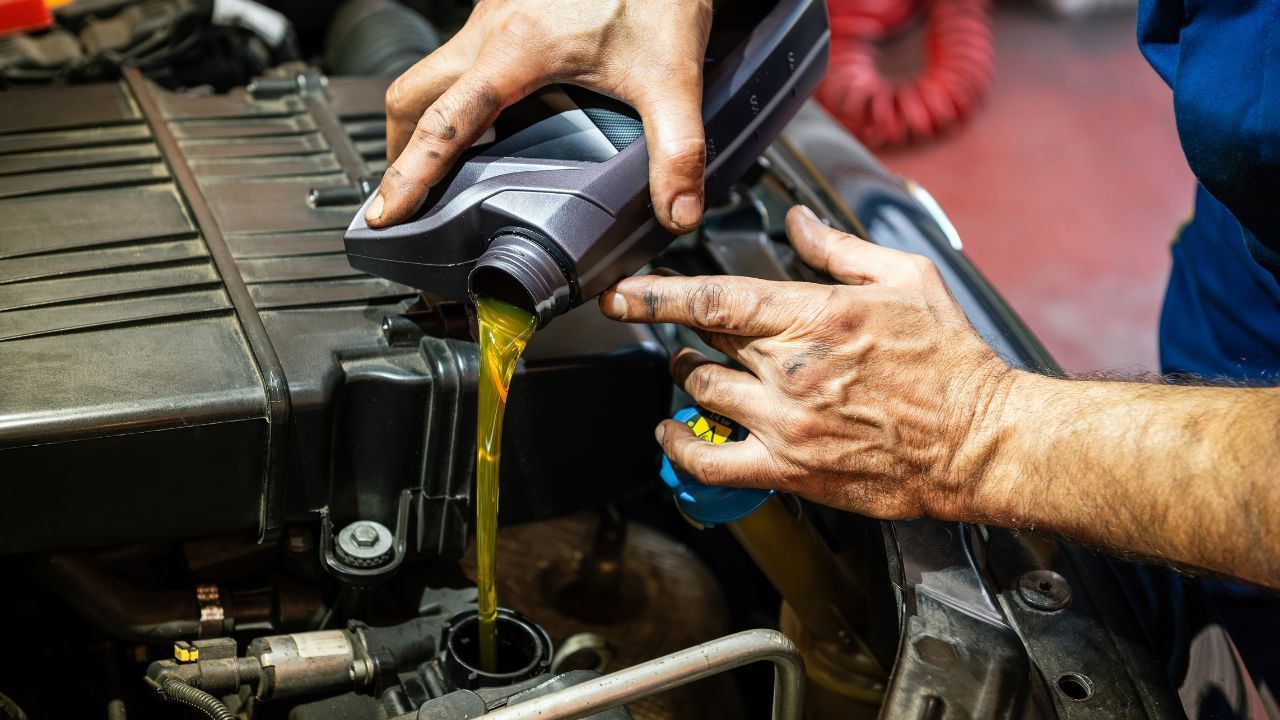
Answer: The frequency of oil changes depends on several factors, including the type of oil used and your driving habits. As a general guideline, most experts recommend changing your oil every 3,000 to 5,000 miles for conventional oil and up to 10,000 miles for synthetic oil. Always consult your vehicle's owner's manual for manufacturer-specific recommendations.


Question 2: Is It Necessary to Warm Up My Car Before Driving in Cold Weather?

Answer: Modern vehicles are designed to be driven shortly after starting, even in cold weather. Idling for an extended period can be less efficient and harm the environment. However, it's a good practice to allow your engine to run for a minute or two to ensure the oil has circulated before driving at full throttle.


Question 3: When Should I Replace My Tires?

Answer: Tires should be replaced when they have worn down to the minimum tread depth recommended by the manufacturer, typically 2/32 of an inch. However, it's advisable to replace them earlier if you notice signs of uneven wear, cracking, or damage.


Question 4: How Can I Improve My Fuel Efficiency?

Answer: To enhance fuel efficiency, maintain a consistent speed, properly inflate your tires, avoid excessive idling, and follow your vehicle's recommended maintenance schedule. Regular tune-ups, clean air filters, and using the recommended grade of motor oil can also contribute to better fuel economy.


Question 5: What Does the "Check Engine" Light Mean?

Answer: The '"Check Engine" light can indicate a range of issues, from minor problems like a loose gas cap to more serious engine or emissions system issues. When it illuminates, it's advisable to have your vehicle's onboard computer system scanned by a professional to identify the specific problem.


Question 6: How Often Should I Rotate My Tires?

Answer: Tire rotation is typically recommended every 6,000 to 8,000 miles or as specified in your vehicle's owner's manual. Rotating tires helps ensure even wear and extends their lifespan.


Question 7: Are Aftermarket Parts as Reliable as OEM Parts?

Answer: The quality of aftermarket parts can vary widely. Some aftermarket parts offer comparable quality and performance to OEM (original equipment manufacturer) parts, while others may be of lower quality. It's essential to research and select reputable aftermarket brands or consult with a trusted mechanic for guidance.
By Super Service of Aliso Viejo May 18, 2026
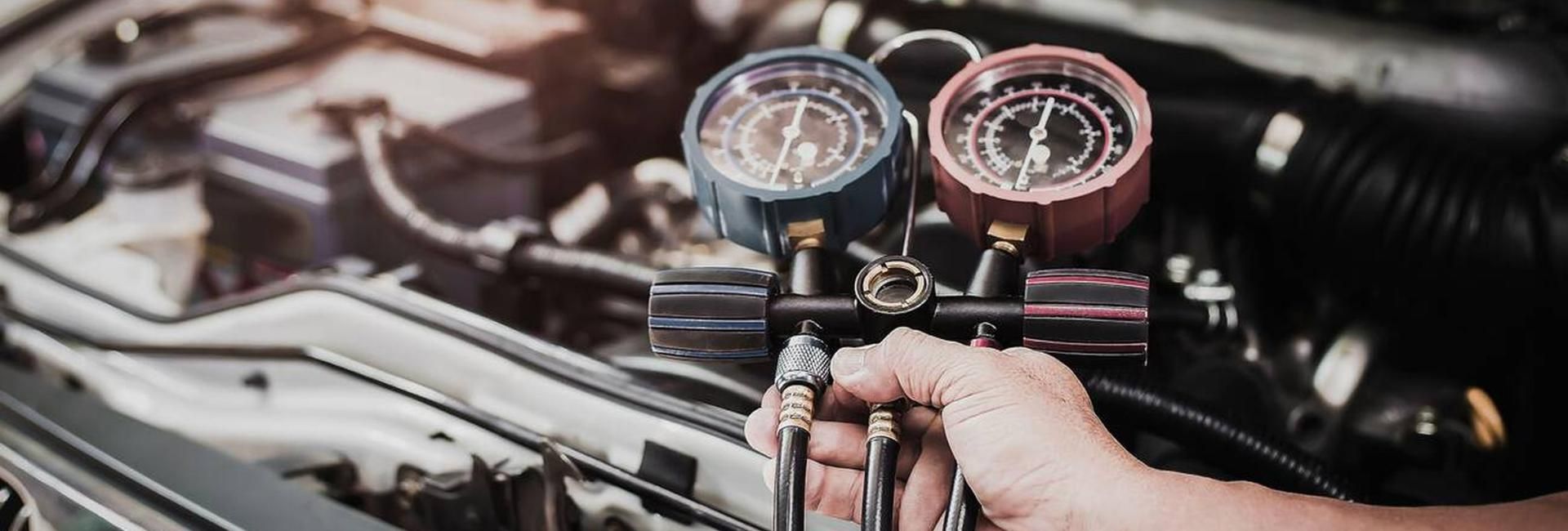
Discover expert auto diagnostics at Super Service of Aliso Viejo, CA. Ensure optimal performance with our advanced tools. Visit us today for precision care!
By Bob Cornwall May 7, 2026
Let me be straightforward with you about something before you ever get a quote from us or anyone else. If you drive a European luxury vehicle, your air conditioning repair is going to cost more than it would on a domestic sedan. That is not a shop taking advantage of you. That is the reality of what these vehicles are and how they are built. I want to explain exactly why that is, because understanding it will help you make better decisions about your vehicle and avoid the frustration of comparing quotes that were never apples to apples in the first place. European Luxury Vehicles Are Engineered Differently There is a reason your BMW drives the way it does. There is a reason your Audi feels planted through a corner and your Mercedes isolates road noise better than almost anything else on the market. These vehicles are precision engineered to a standard that requires tighter tolerances, more sophisticated systems, and components that are simply more complex than what you find on mainstream vehicles. That engineering excellence does not stop at the drivetrain. It runs through every system in the vehicle, including the climate control. More Complex Climate Control Systems Where a standard vehicle might have a relatively straightforward single zone A/C system, European luxury vehicles frequently feature multi-zone climate control with independent temperature regulation, advanced sensors that monitor cabin temperature and sunlight intensity, and electronically controlled components that communicate with the vehicle's broader computer network. A Mercedes S Class, for example, does not just have an A/C system. It has a fully integrated thermal management system that interacts with the engine, the seat ventilation, the ambient air quality sensors, and the vehicle's main control modules. When something goes wrong, the diagnostic process alone is more involved than a complete A/C repair on a simpler vehicle. The Real Factors Behind Higher Repair Costs Parts Pricing and Sourcing Replacement components for European luxury vehicles cost significantly more than their domestic counterparts. An A/C compressor for a mid size American sedan might run a fraction of what the equivalent part costs for a BMW 5 Series or an Audi A6. This is driven by lower production volumes, proprietary designs, and supply chains that run through European manufacturers. Some components are only available through the manufacturer or a limited number of authorized distributors, which removes the competitive pricing that keeps costs down on more common vehicles. When we source parts for your European vehicle, we are sourcing from a much smaller pool of quality suppliers, and the pricing reflects that. Specialized Diagnostic Equipment Properly diagnosing an A/C issue on a modern BMW or Mercedes requires more than a standard HVAC gauge set. These vehicles need manufacturer level diagnostic software to read fault codes accurately, interpret sensor data, and identify whether an issue is mechanical, electrical, or a software related calibration problem. That equipment represents a significant investment for any shop, and shops that do not have it are guessing when they work on your vehicle. Labor Time and Technical Expertise Accessing A/C components on European luxury vehicles frequently requires removing interior panels, bumper assemblies, and other components that simply do not exist on simpler vehicles. A condenser replacement on an Audi Q7 is a fundamentally different job than the same repair on a Toyota Camry. The labor time is longer, the technical knowledge required is greater, and the cost reflects both of those realities. What This Means for You as an Owner Owning a BMW, Audi, or Mercedes in Aliso Viejo is a genuine pleasure. These are exceptional vehicles that reward you every time you drive them. Part of owning them well is understanding that maintenance and repairs require a different budget expectation than a standard vehicle. The worst outcome we see is when an owner of a European vehicle defers a repair because the quote surprised them, then ends up with a more serious problem that costs significantly more to address. A refrigerant leak that gets ignored through a Southern California summer can become a compressor failure by fall. We Know These Vehicles & Will Give You the Best Price We Can At our shop in Aliso Viejo, we work on European luxury vehicles regularly. We have the diagnostic tools, the technical knowledge, and the quality parts sourcing to do the job correctly. We will always explain what we are recommending and why, so you can make an informed decision with no surprises. Contact Us Address: 27802 Aliso Creek Rd, Suite d140, Aliso Viejo, CA 92656 Phone: (949) 831-1525 Hours: Mon through Fri, 7:30 AM to 5:30 PM
By Bob Cornwall April 30, 2026
Discover 5 practical oil change tips from Super Service of Aliso Viejo. Learn when to change your oil, common myths, warning signs, and how the right service protects your engine.
traffic on a California highway
By Bob Cornwall April 27, 2026
Orange County summers are no joke. Here is how to make sure your car A/C is ready before the heat hits and the school runs begin.
By Super Service of Aliso Viejo April 20, 2026
Discover top-notch brake repair solutions at Super Service of Aliso Viejo, CA. Enhance your car's safety with our expert tips and services. Schedule an online appointment now!
traffic in rearview mirror | Super Service of Aliso Viejo
By Bob Cornwall April 16, 2026
Long highway stretches put a unique kind of stress on your vehicle A/C system. Here is what Aliso Viejo drivers should know before hitting the road.
hot summer day with a few clouds | Super Service of Aliso Viejo
By Bob Cornwall April 2, 2026
Orange County summers are no joke. Here is how to make sure your car A/C is ready before the heat hits and the school runs begin.
By Bob Cornwall March 31, 2026
If your check engine light turns on, professional diagnostics can reveal the cause quickly. Learn how Super Service of Aliso Viejo performs accurate check engine light diagnostics to keep your car running safely.
By Super Service of Aliso Viejo March 23, 2026
Precision wheel alignment in Aliso Viejo by Super Service experts. Optimize your vehicle's performance. Visit us today!
By Bob Cornwall March 1, 2026
Get your car road-ready with this spring car maintenance checklist tailored for Aliso Viejo drivers. Learn 5 key spring car maintenance tips—tires, fluids, brakes & more!